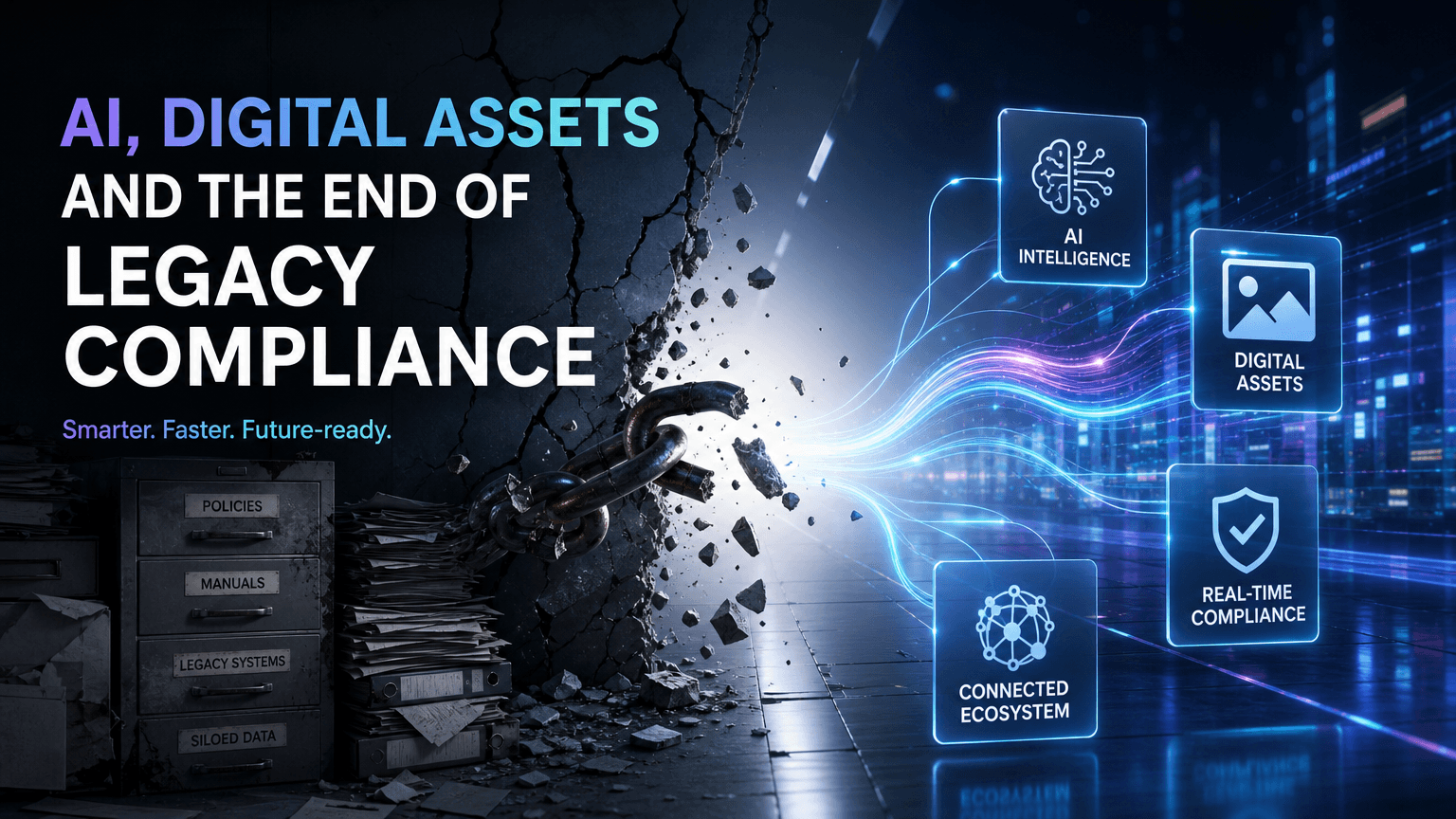
AI, digital assets and the end of legacy compliance
The Transformation of Compliance in Global Banking
Compliance has transitioned from a peripheral function within the back office to a central component in the boardroom strategy for global banks. It has evolved from a quiet operational component to a dynamic and influential element that shapes how financial institutions handle growth, adopt new technologies, regulate employee behavior, and meet increasing regulatory demands across various jurisdictions. This marked shift indicates the escalating importance of compliance in the modern banking sector and its impact on the overall strategic operations of banks.
Navigating the Complex Landscape of Global Risk and Regulation
According to insights from StarCompliance, the challenge facing global banks goes beyond the sheer volume of regulations. The entire operating landscape has become more interwoven, causing traditional compliance risk management structures to lag behind. StarCompliance recently highlighted three critical areas: global risk, the governance of artificial intelligence (AI), and regulatory pressure.
Financial institutions are currently managing several simultaneous challenges, including expectations surrounding AI governance, oversight of digital assets, meeting operational resilience requirements, enforcing sanctions, adjusting to evolving accountability frameworks, and navigating an intricate tapestry of regional regulations. The convergence of these pressures, arriving simultaneously rather than sequentially, presents diverse supervisory expectations unique to each market, creating an acute situation for banks to address.
The Challenge for Compliance Teams in Fostering Innovation
For compliance teams, this climate poses an ongoing balancing act. They are tasked with enabling innovation and facilitating business growth while demonstrating effective governance, maintaining defensible oversight, and achieving real-time risk visibility across the organization. These objectives must be met amid increasing complexity and regulatory scrutiny.
Transitioning from Traditional Compliance Models
Traditionally, many banking compliance programs were designed for more centralized and predictable regulatory environments. However, that model is now under strain. Financial institutions are processing larger data volumes, managing employee activities across numerous markets and digital platforms, and facing increasingly intricate reporting obligations. Simultaneously, regulators are emphasizing active demonstration of compliance controls versus merely having policies exist on paper.
This shift compels banks to fundamentally reassess their compliance infrastructure. Disconnected systems, fragmented reporting, and manual oversight processes introduce operational delays and leave institutions vulnerable when regulators request evidence, escalation histories, or audit trails at short notice. Consequently, compliance technology, governance, and data management are being reconsidered at an enterprise level.
The Role of Artificial Intelligence in Compliance
Artificial intelligence is accelerating this transition. Banks are increasingly exploring AI-driven surveillance, monitoring, and risk detection tools. However, this comes with heightened scrutiny from regulators regarding governance, accountability, explainability, and model oversight. For compliance leaders, the focus has shifted from debating AI deployment to determining responsible usage within existing regulatory frameworks.
Expanding the Risk Perimeter with Digital Assets and Employee Conduct
The intersection of traditional finance and digital assets represents another significant shift. Activities like cryptocurrency trading, tokenized assets, decentralized finance platforms, and prediction markets introduce new risks concerning employee conduct and information that existing surveillance programs were not originally designed to capture.
This is especially critical for global financial institutions, where escalating regulatory focus is on conflicts of interest, material non-public information, and employee trading activities that extend beyond traditional brokerage accounts. Compliance programs require visibility across more financial activities, necessitating technology that can adapt to evolving market structures.
Adapting to a Connected Compliance Approach
As regulatory complexity intensifies, many banks are gravitating towards more centralized and connected compliance operating models. The emphasis is shifting towards integrating governance, surveillance, employee disclosures, case management, reporting, and audit documentation into cohesive frameworks that can scale globally while accommodating regional regulatory demands.
StarCompliance has positioned itself at the forefront of this shift. For over 25 years, StarCompliance has collaborated with financial institutions worldwide to manage employee compliance, conflicts of interest, personal account dealings, gifts and hospitality oversight, political contributions, external business activities, and information barrier controls through connected compliance technology.
As banks continue to overhaul their compliance infrastructures, technology's role has become a fundamental operational necessity for managing risk consistently across jurisdictions. Rather than supporting function, technology has become integrally embedded within the compliance landscape, underscoring the evolution from traditional models to more dynamic, interconnected systems in global banking.
10.06.2026